
STRATEGIC Thinking &
Innovation
As global energy infrastructure faces increasing complexity, innovation in transmission line engineering is no longer about just improving individual components—it requires a system-wide transformation. SANPEC’s approach to systemic innovation ensures that every part of the transmission ecosystem, from design and materials to project execution and workforce development, is optimized for reliability, quality, sustainability, and resilience.
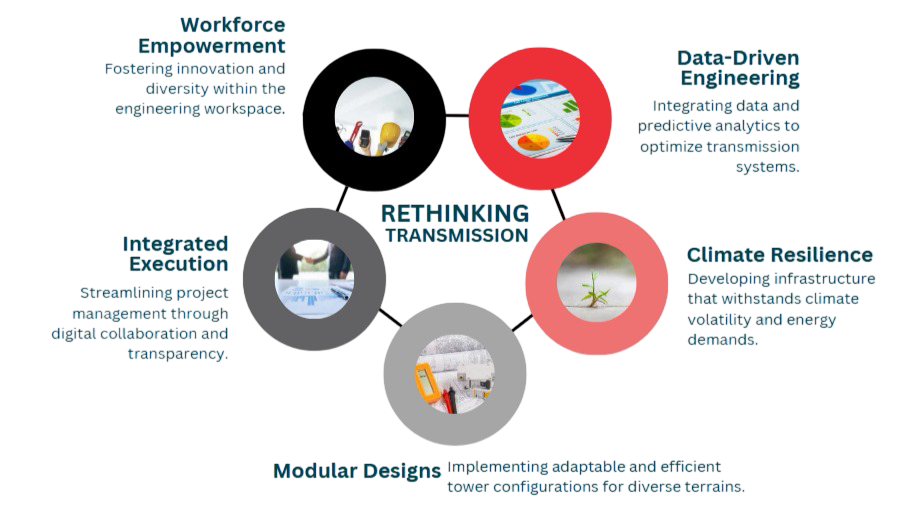
Traditional transmission engineering has long been constrained by rigid design methodologies, extended project timelines, and reactive maintenance approaches. SANPEC is challenging these limitations by adopting a data-driven, integrated approach, transforming transmission structure and industry that evolve with grid dynamics.
A key focus of this transformation is structural optimization and risk management, ensuring that materials, configurations, and designs are not only efficient but also cost-effective, environmentally responsible, and resilient. By integrating advanced material science, optimized structure configurations, and lifecycle-based design principles, SANPEC reduces material waste, enhances installation efficiency, and minimizes long-term operational costs. This includes right-of-way (ROW) optimization, ensuring efficient land use while minimizing environmental impacts
Moving from a reactive to a proactive infrastructure model, SANPEC deploys real-time analytics to enable transmission assets to predict failures before they occur, significantly improving grid reliability. This predictive approach is further enhanced through AI-driven structural analysis, allowing for real-world load assessments instead of relying on purely theoretical models. This ensures that tower and conductor designs are optimized for performance, cost efficiency, and aesthetic considerations, while also using environmentally preferable structures such as steel poles and towers.
Beyond technical excellence, SANPEC is committed to lifecycle economics and best-practice specifications, ensuring that transmission projects are built for long-term sustainability, economic value, and ease of maintenance.
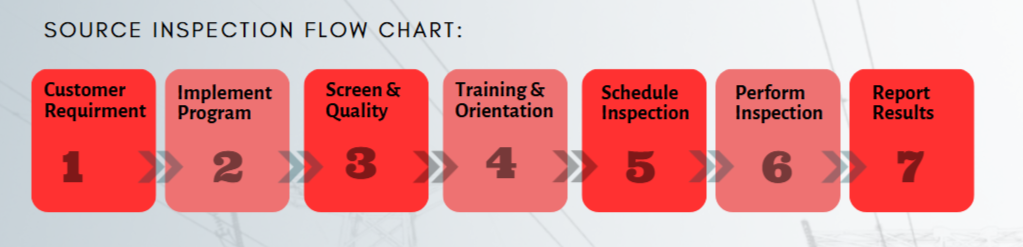
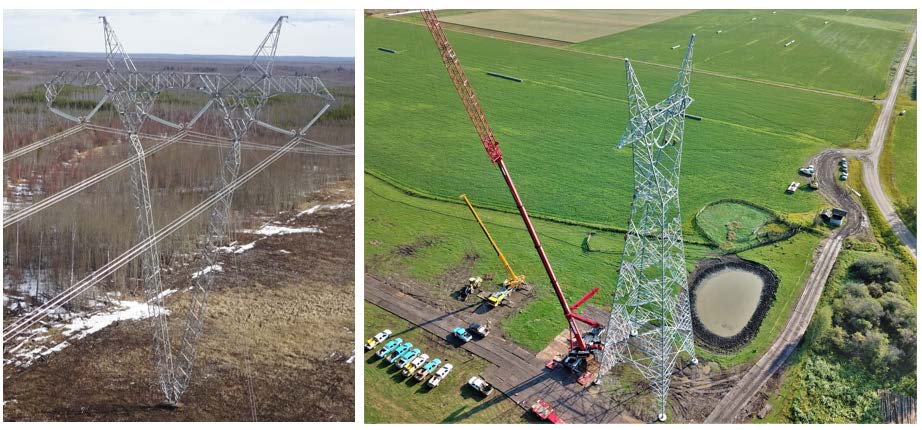
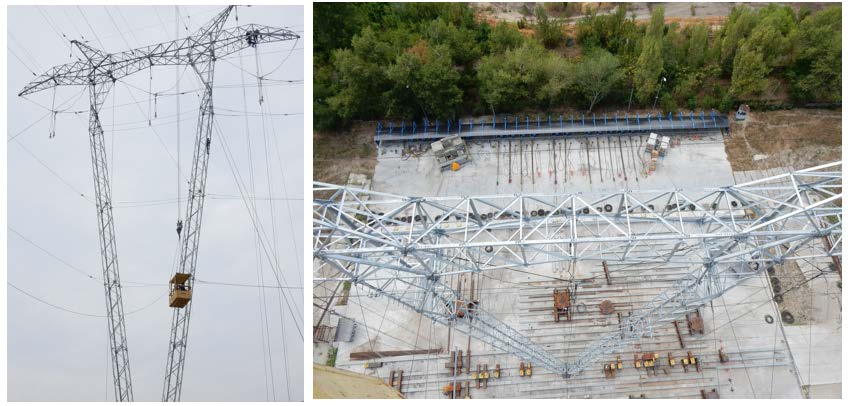
Modern transmission engineering must adapt to extreme weather conditions and evolving energy demands. SANPEC is at the forefront of grid innovation and risk management, integrating climate-resilient materials, adaptive grid expansion models, and dynamic load management solutions to enhance long-term system reliability and resilience.
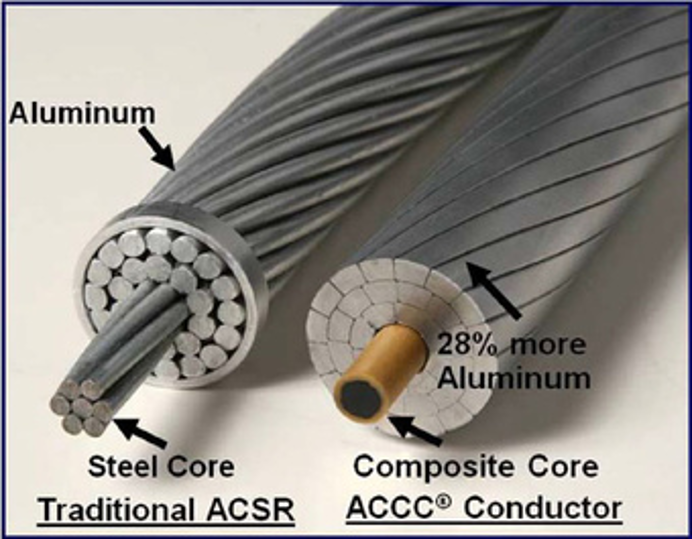
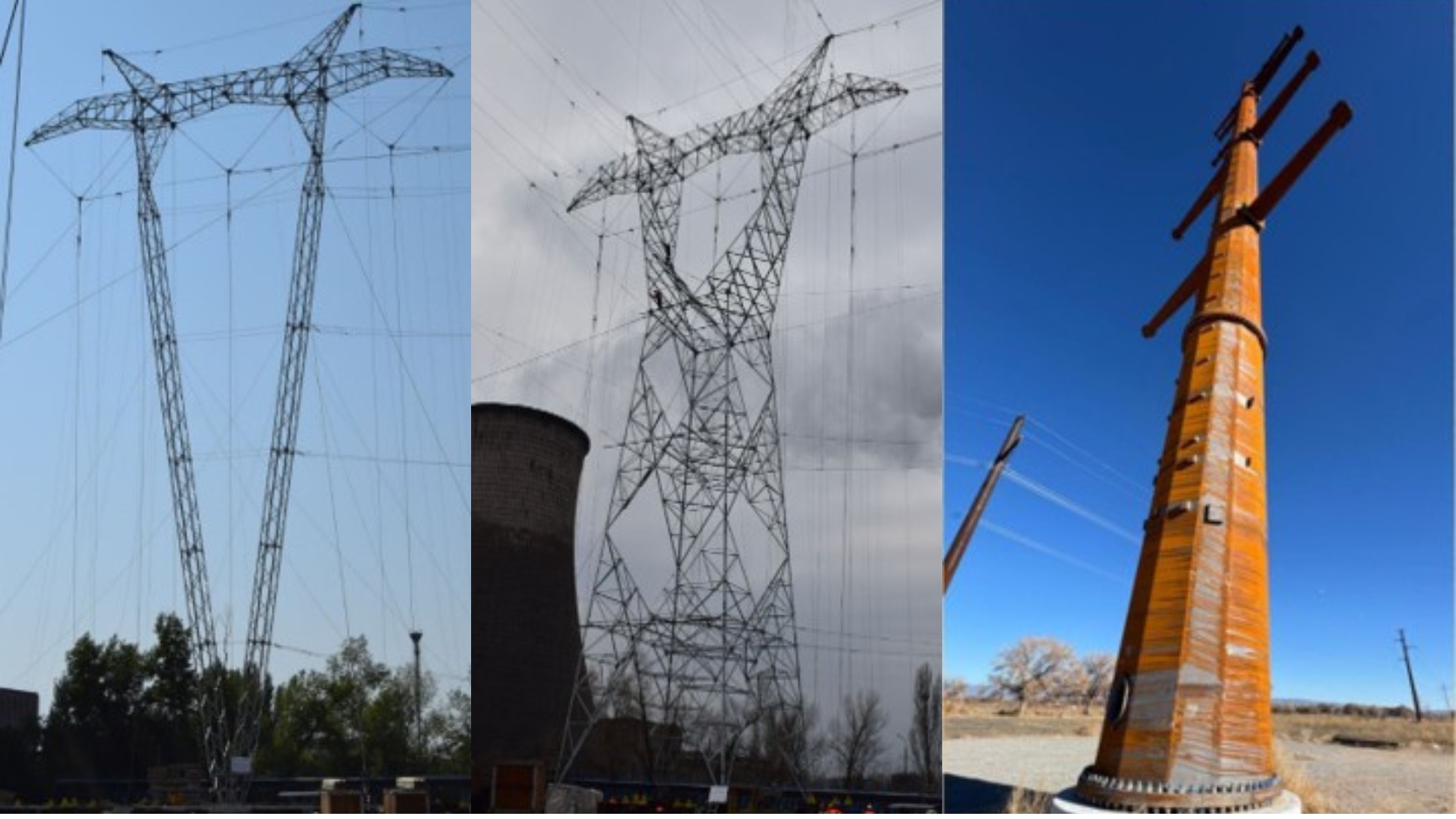
- Grid Hardening & Advanced Transmission Structures – SANPEC is deploying innovative transmission towers, AL-59 conductors, and fire-resistant insulators to minimize damage from high winds, wildfires, and extreme temperatures. These structures integrate high-strength composite materials and advanced coatings to enhance durability and longevity.
- Hardened Distribution Networks – To mitigate wildfire risks and improve service continuity, SANPEC is implementing advanced material, and fire-resistant poles in high-risk areas. Advanced risk management systems ensure rapid response to potential threats, reducing outage duration.
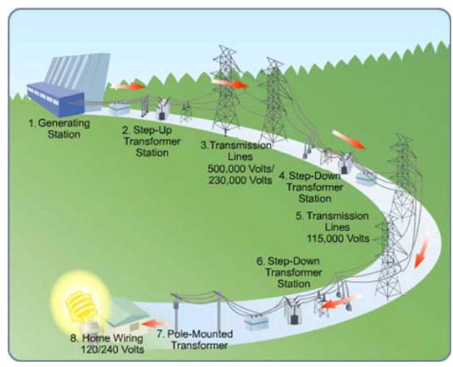
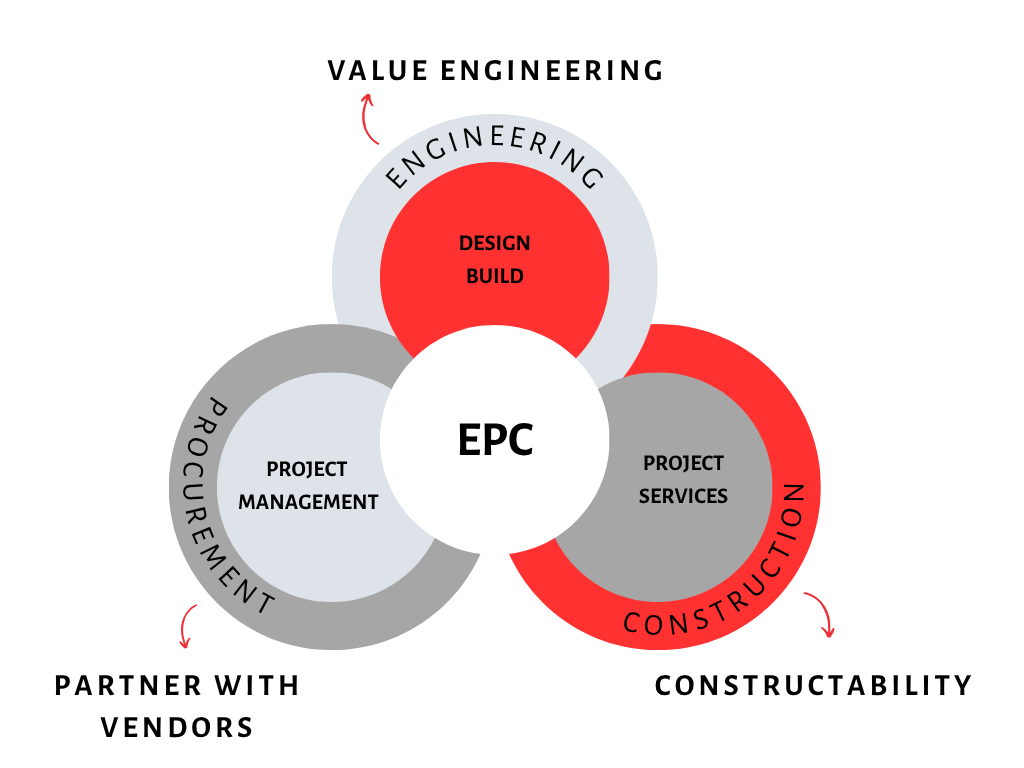
Transmission projects frequently encounter delays, budget overruns, and inefficiencies due to fragmented coordination between stakeholders. SANPEC is revolutionizing project execution by establishing integrated ecosystems that ensure seamless collaboration from design and procurement to construction, commissioning, and lifecycle management.
To enhance efficiency and transparency, SANPEC digitizes the entire project lifecycle, creating a centralized platform that connects utilities, regulatory bodies, suppliers, and field teams. This minimizes construction delays caused by lagging information, supply chain disruptions, or environmental constraints. Additionally, advanced supply chain tracking ensures real-time visibility into component sourcing, logistics, and deployment schedules, reducing procurement risks and improving cost predictability.
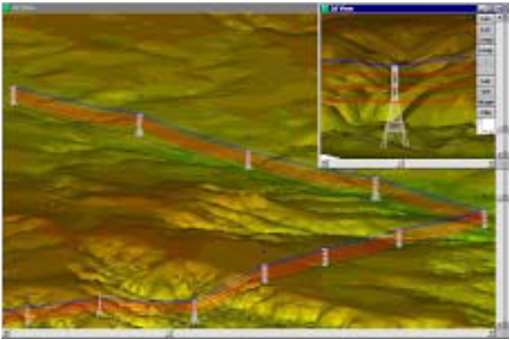
SANPEC is also leveraging advanced terrain intelligence to optimize infrastructure placement in challenging environments. Using drone-based surveying, geospatial mapping, and AI-powered terrain modeling, the company enhances site selection, optimizes foundation design, and minimizes environmental impact. These capabilities, combined with automated progress tracking, risk identification, and contingency planning, ensure that projects are executed on time, within budget, and with the highest quality standards.

At SANPEC, innovation is not just about technology—it’s about people. A forward-thinking workforce is the foundation of breakthrough engineering, operational excellence, and long-term industry leadership. SANPEC is investing in cutting-edge skill development, cross-disciplinary collaboration, and a culture of continuous learning to drive engineering excellence and adaptive innovation.
- AI-Driven Engineering & Immersive Training – SANPEC integrates AI-powered simulation tools, advanced technology, and virtual prototyping to train engineers in advanced transmission design, predictive maintenance, and structural optimization, ensuring real-world expertise before implementation.
- Innovation Ecosystem & Internal Incubation – Employees at all levels are empowered to propose, test, and refine new ideas through structured R&D programs, innovation hubs, and rapid prototyping environments. This fosters continuous problem-solving and accelerates technology adoption.
- Building a Future-Ready, Diverse Workforce – SANPEC is actively expanding its STEM talent pipeline by recruiting skilled engineers, technicians, and future leaders. The company prioritizes diversity and inclusion, fostering targeted leadership programs that bring fresh perspectives to energy infrastructure projects. By empowering women and underrepresented groups, SANPEC is building a resilient, innovative, and future-ready workforce to shape the next generation of transmission and distribution solutions.
By embedding systemic innovation at every level—from infrastructure resilience to project execution and workforce transformation—SANPEC is redefining what’s possible in transmission engineering. The energy landscape is evolving rapidly, and only those who innovate faster will lead the future. With its commitment to intelligent infrastructure, digital transformation, and a people-first culture, SANPEC isn’t just keeping up with industry trends—it’s shaping them.
Ajay Mallik, P.E. President and CEO of SANPEC Engineering, shares his team’s critical role in ensuring SunZia’s transmission materials met the highest quality standards.
SANPEC successfully navigated complex challenges and delivered exceptional results in the management of global suppliers, logistics, engineering, quality, and supply chains while transitioning the project plan from HVAC to HVDC.
SANPEC collaborated closely with Pattern and Quanta to secure committed vendors for timely delivery, aligning with the construction schedule and project specifications. From material type testing to specialized dulling processes, SANPEC delivered unparalleled excellence and innovation throughout the project. After 12 years of dedication, seeing the project come to life was an emotional and fulfilling moment – proof that teamwork can turn vision into reality.


Engineering Excellence
At SANPEC, engineering excellence is achieved through a comprehensive, multi-dimensional approach that integrates advanced technology, continuous improvement, and an unwavering commitment to quality. By embedding these principles into every facet of its operations, SANPEC consistently delivers projects that surpass industry benchmarks. A culture of continuous improvement is central to SANPEC’s operational philosophy—feedback is actively solicited at all levels, and lessons learned from both successes and setbacks are meticulously integrated into future projects.
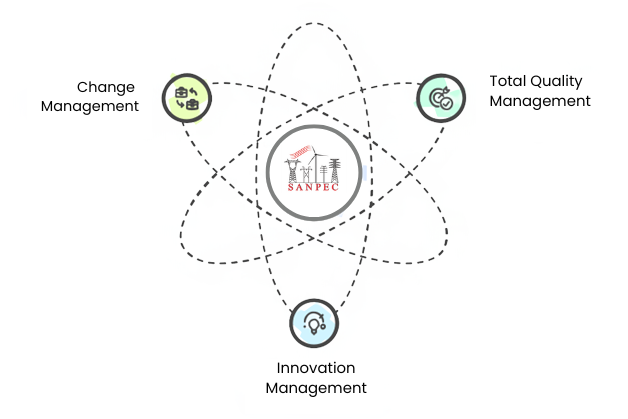
SANPEC’s dedication to engineering excellence is further reinforced through adherence to internationally recognized management standards:
Total Quality Management System
SANPEC employs a robust quality management system guided by TQM principles—customer focus, employee involvement, a process-oriented approach, integrated systems, strategic planning, continual improvement, fact-based decision-making, and effective communication. In building transmission and distribution infrastructure, SANPEC rigorously applies ASQ standards across every stage—from R&D and design to manufacturing, operations, supply chain management, and material sourcing—ensuring that each component and process meets the highest levels of reliability and performance. This steadfast commitment not only exceeds customer expectations but also cultivates an environment where every employee is empowered to drive ongoing quality enhancements.
Innovation Management
Aligned with the ISO 56000 series—specifically ISO 56001:2024—SANPEC systematically manages innovation through a structured approach that drives sustainable growth and secures a competitive edge by continuously exploring and implementing cutting-edge solutions in transmission and distribution. By fostering innovation in its R&D, design, and operational processes, SANPEC maximizes value creation by unlocking increased value from new products, services, processes, and methods, thereby delivering tangible benefits for both the organization and its stakeholders. This approach not only boosts immediate performance but also steadily builds long-term innovation capabilities, even amid uncertainty
Change Management
SANPEC adeptly manages organizational change to ensure smooth transitions and enhanced adaptability during strategic shifts across all its functions—from R&D and design to manufacturing, operations, supply chain management, and material sourcing. By adopting changes faster, more completely, and proficiently, SANPEC remains fully engaged during disruptive periods, understanding the rationale behind each change. This comprehensive approach, which provides the necessary time, tools, and support for everyone involved, minimizes the risks and costs associated with mismanaged change while maximizing returns on project investments through the effective application of change management principles before, during, and after each project.
Apart from this recognized management standards, we keep risk management at the core of everything we do. From engineering and manufacturing to new technology adoption and organizational change, we proactively identify, assess, and mitigate risks to maintain reliability and efficiency.
Research and Development
At SANPEC, research and development (R&D) form the backbone of innovation, driving the modernization of transmission and distribution infrastructure. SANPEC’s dedicated R&D teams go beyond conventional innovation labs, relentlessly exploring breakthrough technologies and methodologies that enhance grid resilience, efficiency, and sustainability. Through strategic collaborations with leading global research institutions, SANPEC ensures that every advancement is grounded in rigorous scientific research and industry’s best practices. The company’s R&D initiatives span multiple critical areas, including:
Founding Member, Master of Engineering in Transmission & Distribution
Gonzaga University’s Transmission and Distribution Engineering Department trains power utility engineers for the future of the electrical grid.
You will tackle real-world challenges and gain knowledge about emerging trends, as you learn from our expert faculty, who are working engineers and industry leaders at top utilities and engineering firms around the United States.
We offer two online choices: a Master of Engineering in Transmission and Distribution Engineering and a Certificate in Transmission and Distribution Engineering.
Both are designed for electric utility engineers and can help electrical, mechanical and civil engineers reach their goals in the power industry.
Key Research Contributions
SANPEC has made significant strides in advancing transmission line engineering through its extensive research and development initiatives. The company’s research has led to innovations in structural design, material optimization, sustainability integration, and smart grid technologies.
Notable contributions include advancements in transmission tower design, with studies focusing on optimizing arm structures, steel selection, and corrosion resistance, as presented at the ASCE/SEI Conference on Structural Engineering (2009) and the Platts Transmission Planning & Development Forum (2010). Research on source inspection and predictive maintenance has been critical in ensuring the quality and reliability of transmission structures, with findings shared at TSDOS (2012, 2013, 2019, 2020) and EDM (2014, 2012). Additionally, SANPEC has explored the impact of material transformations, such as the Silicon Effect Color Transformation on Lattice Steel Towers, presented at IEEE (2012).
The company has also prioritized sustainability, as demonstrated in its research presented at the ASCE International Conference on Sustainable Infrastructure (ICSI, 2021), emphasizing resilient, eco-friendly transmission line solutions. Furthermore, SANPEC has contributed to the socio-economic dimensions of transmission line engineering (TSDOS-2021) and developed innovative solutions for strain gauge placement on lattice towers (TSDOS-2022), improving structural performance and ensuring system integrity. By continuously investing in cutting-edge research, SANPEC remains at the forefront of enhancing the efficiency, resilience, and sustainability of modern transmission and distribution infrastructure.
Advanced Materials Development
Advanced Technologies
Structural Innovations
Sustainability and Circular Economy
Simulation and Prototyping
Innovation in Research and Education
1. We are committed to advancing the quality of life through outstanding research and innovation in T&D engineering and technology education. Our data-driven, integrated engineering excellence process improves grid reliability and resilience goals.
2. We have built an innovative industry-academic-government partnership that promotes world-class research and education while focusing on new skill development challenges faced by the energy and infrastructure industry.
3. We have improved the public understanding of the importance of energy and engineering education.
Digital Transformation
Communication, monitoring and Control
SANPEC employs state-of-the-art digital communication systems integrated with IoT devices across its transmission and distribution networks. These sensors provide real-time data on grid conditions, enabling the company to monitor voltage levels, detect faults, and adjust power flows instantly, thereby enhancing overall grid reliability and operational efficiency.
Data Analytics and Artificial Intelligence
Leveraging big data analytics and AI, SANPEC processes vast amounts of operational data to optimize grid performance. Advanced algorithms predict maintenance requirements, identify potential inefficiencies, and forecast energy demand patterns, which allows for proactive adjustments and minimizes downtime, ensuring that the grid remains robust and responsive to dynamic conditions.
Enhanced Cybersecurity
Recognizing the critical importance of securing its grid infrastructure, SANPEC has implemented robust cybersecurity measures specifically designed for transmission and distribution systems. These measures include real-time threat monitoring, advanced encryption protocols, and regular vulnerability assessments. This comprehensive approach ensures the integrity and resilience of grid operations, safeguarding against cyber threats and maintaining secure, uninterrupted service.
Digital Twin Technology for Grid Optimization
SANPEC is deploying digital twin technology to create real-time virtual models of its transmission infrastructure. These models simulate grid performance, test potential upgrades, and predict system failures before they occur. By integrating real-world data with predictive analytics, SANPEC improves infrastructure planning, enhances maintenance strategies, and increases grid resilience.
Workforce development
- Promoting interdisciplinary learning that integrates policy, technology, and systems thinking.
- Advancing global best practices through active participation in knowledge-sharing platforms.
- Developing an ecosystem-based approach to workforce planning, ensuring energy professionals are prepared to address sustainability challenges at both local and global scales.

Skill Building and Knowledge Transfer
To remain at the forefront of innovation, SANPEC emphasizes continuous learning and knowledge
dissemination, bridging gaps between academia, industry, government, and communities. The company fosters a culture of collaboration and adaptability by providing cutting-edge skill development and sharing industry insights across its ecosystem.
- Advanced Skill Development Programs: Training initiatives to stay ahead of industry advancements.
- Leadership Development: Cultivating emerging leaders for energy and infrastructure roles.
- Internal Training Programs: In-house workshops and technical modules to keep employees aligned with industry trends.
- Community Education & Outreach: Engaging schools, universities, and communities to promote energy awareness and sustainability.
- Industry Knowledge Exchange: Collaborating with academia, policymakers, and industry leaders through regular seminars, workshops, and partnerships.
Leadership and Governance Strategy
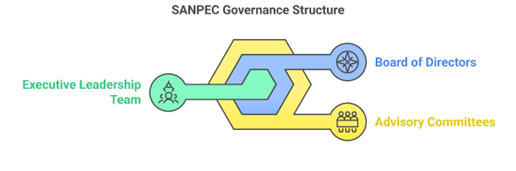
Three-Tier Governance Structure
- Executive Leadership Team: Comprising leaders from Engineering, Operations, Finance, Human Resources, and Sustainability, this team drives company-wide strategy, orchestrates the organization’s response to market dynamics, and ensures the seamless flow of critical business information to optimize decision-making at all levels.
- Board of Directors: Made up of industry experts, community leaders, and academic professionals, the board provides strategic oversight while upholding SANPEC’s mission, values, and corporate governance principles.
- Advisory Committees: Specialized bodies such as the Sustainability Advisory Board and the Innovation Council offer expert insights to shape first-to-market innovation strategies, sustainability initiatives, and industry-leading solutions while ensuring SANPEC remains adaptive to emerging risks and opportunities.
Governance Mechanisms for Accountability and Growth
- Strategic Reviews: Quarterly assessments ensure that SANPEC’s initiatives remain aligned with both immediate market demands and long-term strategic goals.
- Board Oversight:A dedicated Ethics Officer oversees legal and ethical compliance, ensuring transparent, responsible decision-making in a rapidly evolving regulatory landscape.
- Ethics and Compliance: A dedicated Ethics Officer oversees legal and ethical compliance, ensuring integrity in all business operations.
- Stakeholder Engagement:Continuous dialogue with customers, employees, policymakers, and community partners fosters inclusive decision-making, strengthens industry collaborations, and ensures that business intelligence is effectively integrated into governance processes.
- Risk Management Framework: A Risk Management Committee proactively identifies, assesses, and mitigates strategic and operational risks, enabling SANPEC to anticipate industry shifts and maintain operational excellence amid uncertainty.
Driving Innovation, Sustainability, and Impact
- Unrivaled Engineering and Process Excellence
- Resiliency Planning in Transmission Line Design
- Reliable and Resilient Power Grid
- Testing, Inspection and Quality Assurance
- Total Quality and Innovation Management
- Resilience in Value-Chain Systems
- Full Lifecycle Asset Management
- Operational and Organizational Resilience
- Business Continuity and Risk Management
- Unique Six-Pillars, Impact-focused Business Model
- Nationally-recognized Engineers and Researchers
- Licensed Professional Engineers, All States
- Leadership Excellence and Data-Driven Strategies
- Impact on Veterans, Youth, Education, Sports, Nature
- Workforce Development and R&D
- Digital Transformation and Industry4
- Risk Management Consulting Services
- Sustainable Value Creation and Foresight
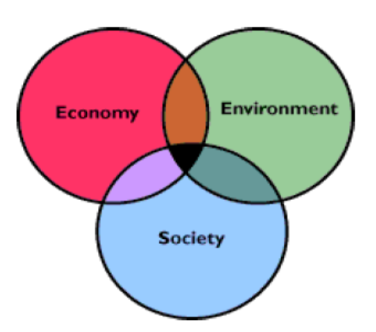
- Triple Bottom Line and Circular Economy


As a leading transmission and distribution & engineering company, SANPEC is committed to engineering excellence, innovation, and customer-centric solutions. The table below presents SANPEC’s strategic execution and impact structured into three key functional areas: Leadership, Operations, and Delivery. These functional areas ensure SANPEC remains at the forefront of engineering excellence, client engagement, and innovative practices, delivering value-driven, high- performance solutions for grid infrastructure in the United States.
| Strategic Pillars | Effective Approaches | Client Engagement | Innovative Practices |
|---|---|---|---|
| Leadership | Pioneering advanced structural analysis for steel poles and lattice towers, ensuring robust and resilient designs. | Cultivating partnerships with utilities, EPC contractors, and government agencies to deliver tailored transmission solutions. | Investing in R&D to develop sustainable engineering solutions, such as eco-friendly materials and designs. |
| Setting industry benchmarks through the standard setting and publication of technical papers on advances in transmission engineering. | Offering comprehensive services from design and testing to construction support, ensuring seamless project execution. | Implementing advanced technologies like full-scale structural testing and electrical testing to validate design integrity. | |
| Operations | Utilizing state-of-the-art tools for structural analysis, enhancing precision in design and detailing. | Providing client-centric solutions by customizing designs to meet specific project requirements and local social and environmental conditions. | Adopting lean manufacturing principles to optimize resource utilization and reduce project timelines. |
| Ensuring quality through rigorous site audits and source inspections, adhering to international standards. | Maintaining open communication channels to address client feedback promptly and effectively. | Leveraging digital technologies for real-time monitoring and management of project milestones. | |
| Delivery | Ensuring on-time delivery through meticulous project scheduling and logistics planning. | Offering post-project support to assist clients with maintenance and operational challenges. | Continuously updating engineering practices to incorporate the latest industry advancements and regulatory requirements. |
| Providing end-to-end support, from material sourcing to construction oversight, guaranteeing project success. | Building long-term relationships by delivering consistent quality and reliability. | Promoting a culture of interdisciplinary innovation to stay ahead in the dynamic field of transmission engineering. |
SANPEC’s Approach to Reliability, Resilience, and Sustainability
| Maturity Level | LEVEL 5 Optimized — Leading Innovation Organization |
|---|---|
| Culture | Innovation is deeply ingrained in the organizational culture, supported at all levels. |
| Strategy/Foresight | Innovation strategy is adaptive, continuously evaluating and adjusting based on market, technology, and environmental shifts. |
| Leadership | Senior leadership actively nurtures a culture of innovation, influencing trends in the industry. |
| People | Every employee plays a key role in fostering creativity and problem-solving, embedding innovation into daily activities. |
| Processes | Innovation processes are fully optimized, enabling scalability and ensuring continuous improvement through advanced data-driven insights. |
| Performance Measurement | Innovation performance is continuously optimized, with advanced analytics integrated into decision-making processes. |
| Idea Capture | Idea generation and capture are systematic, supported by advanced technology and continuous feedback loops. |
| Other Tools | Advanced innovation tools, including AI, analytics, and automation, are employed to drive ongoing innovation. |
| Process | Reliability | Resilience | Sustainability |
|---|---|---|---|
| Research and Development (R&D) | SANPEC invests in new materials, advanced transmission technologies, and AI-driven risk diagnostics to improve grid reliability and efficiency. | R&D focuses on developing impact-resistant structural components, conducting cutting-edge research, building cross-sector research partnerships, and monitoring real-time risks to enhance resilience. | Prioritizing sustainable innovation, SANPEC researches recyclable materials, low-maintenance components, and energy-efficient transmission designs. |
| Design and Engineering | Optimizing transmission structures and systems for consistent energy flow, grid safety, and minimal power losses through advanced design methodologies. | Engineering adaptable grid infrastructure systems to withstand extreme weather, cyber threats, and supply chain disruptions. | Designing long-lasting, resource-efficient, and scalable transmission infrastructure to reduce lifecycle costs and environmental impact. |
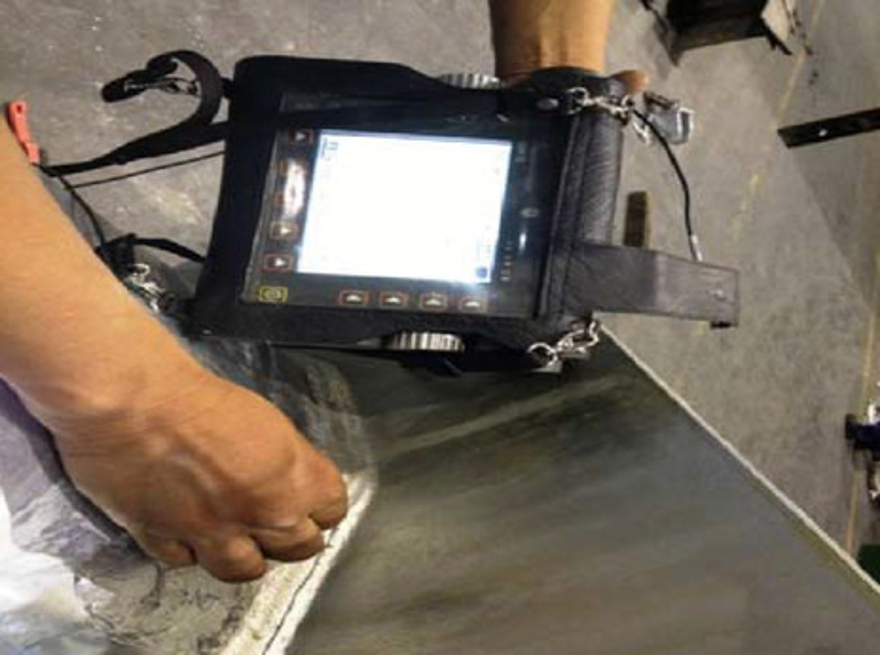
| Manufacturing and Inspection | Implementing precision engineering, predictive maintenance integration, and strict quality control to prevent failures and improve system reliability. | Strengthening high-voltage components, reinforcing tower foundations, and integrating non-destructive testing (NDT) to ensure durability under stress conditions. | Incorporating low-waste, energy-efficient manufacturing processes and utilizing high-quality, corrosion-resistant materials to extend asset lifespan. |
| Supply Chain Management | Maintaining a secure, multi-source supply chain for continuous availability of critical transmission components. | Diversifying suppliers, utilizing predictive analytics, and establishing contingency plans to mitigate supply chain risks. | Ensuring a responsible supply chain by sourcing from sustainable vendors, optimizing logistics, and reducing carbon-intensive processes. |
| Material Sourcing | Selecting high-performance, grid-stabilizing materials that enhance conductivity, durability, and operational reliability. | Sourcing weather-resistant, fireproof, and high-impact materials to enhance infrastructure resilience against disruptions. | Using recyclable, ethically sourced, and low-carbon materials to support long-term sustainability and minimize environmental impact. |
| Supplier Networks | Establishing long-term partnerships with trusted suppliers to ensure consistent quality, reliability, and supply continuity. | Engaging in joint risk assessments, adaptive procurement strategies, and supplier diversification to strengthen resilience. | Collaborating with sustainable and eco-conscious suppliers to drive environmental responsibility while ensuring high product standards. |
Collaborations and Partnerships
Collaboration lies at the heart of SANPEC’s mission to advance grid infrastructure and accelerate the energy transition. By fostering strategic partnerships with industry leaders, academic institutions, research organizations, and community stakeholders, SANPEC expands its capabilities, drives innovation, and creates impactful solutions that address global energy challenges. These alliances enable SANPEC to stay at the forefront of cutting-edge technologies, influence policy frameworks, and promote sustainable development.

Engaging Communities For Co-Creation
Engaging Communities for Co-Creation
SANPEC actively engages local communities to ensure shared ownership in energy projects.
- Collaboration and Co-Creation: Partnering with local communities to develop energy projects that address specific regional needs while promoting equitable benefits.
- Stakeholder Engagement: Working with environmental groups, civil society organizations, and local governments to foster trust, build consensus, and ensure sustainability.
- Capacity Building: Organizing workshops and training programs for community members, empowering them to contribute meaningfully to project development and oversight.
By integrating community voices into project planning and execution, SANPEC ensures that its solutions are not only technically robust but also socially responsible.
Building Alliances for Grid Reliability, Resilience and Sustainability
Building Alliances for Grid Reliability, Resilience and Sustainability
SANPEC understands the interconnected nature of today’s global challenges and actively fosters cross- sector partnerships to drive grid reliability, resilience and sustainability.
- Collaborative Projects: Engaging in joint initiatives with international organizations, non-profits, and industry leaders to address critical issues such as energy security, climate change, and disaster resilience.
- Research Partnerships : Partnering with research institutions to develop advanced testing methodologies, innovative grid designs, and cutting-edge technologies that future-proof energy systems.
- Network Building: Creating opportunities for professionals across sectors to collaborate, exchange ideas, and form joint ventures that advance grid innovation.
These alliances pool resources, expertise, and influence to develop resilient infrastructure and sustainable energy systems that meet the evolving demands of the global energy transition.
Strengthening Industry-Academia-Government Collaboration
Strengthening Industry-Academia-Government Collaboration
SANPEC recognizes the transformative power of collaboration across industry, academia, and government to address complex energy challenges.
- Industry Collaborations: Partnering with leading energy companies, utilities, and technology providers to share knowledge, co-develop solutions, and pioneer advancements in grid reliability and sustainability.
- Academic Alliances: Forming strategic alliances with universities and research institutions to bridge the gap between theoretical research and practical application, driving innovative approaches to grid technology and energy systems.
- Policy Advocacy: Collaborating with policymakers to advocate for regulatory frameworks that support grid resilience, renewable energy integration, and sustainable energy practices.
- Collaborations with Educational Institutions: Partnering with universities, technical schools, and training centers to develop programs that align with industry needs. These collaborations bridge the gap between academic research and practical application, ensuring a steady pipeline of skilled
- On-the-Job Learning Opportunities: Providing hands-on learning experiences through real-world projects, mentorship, and cross-functional team These opportunities help employees build practical expertise and foster a deeper understanding of the energy sector’s evolving landscape.
These collaborations not only foster technological innovation but also align industry goals with public policies and research agendas, ensuring impactful outcomes for the energy sector.