


Corona/RIV and others
Conductor/OPGW/Hardware
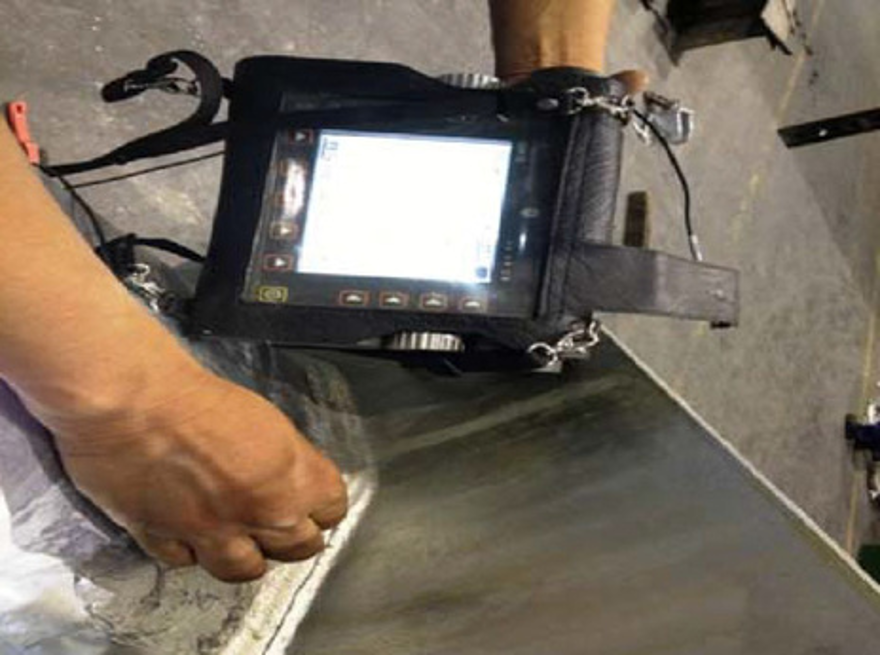
- Inspection of T Line Materials (Steel Poles, Towers, Substation Structures, Insulators, etc.)
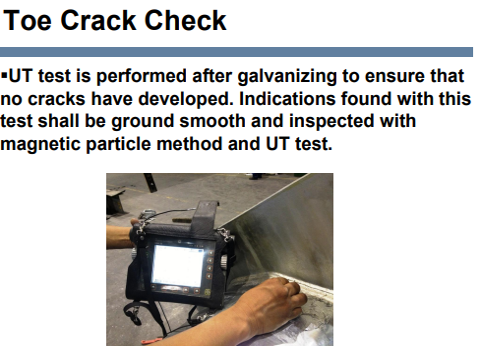
- Weld Inspections (NDT Techniques)
- Fabrication Shop Audits and On-Site Inspections
- Material Sampling for Metallurgical/Mechanical Testing
- Failure/Root Cause Analysis
- Field Inspections for Aging Transmission Infrastructure
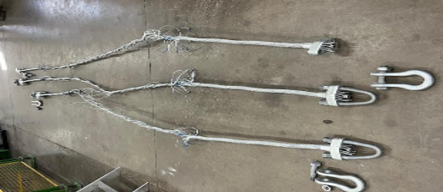
Plant Audit, Inspections (QA/QC), ITP
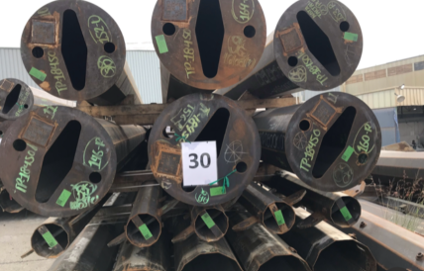
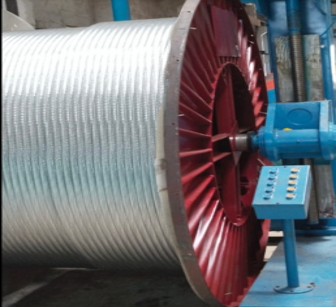
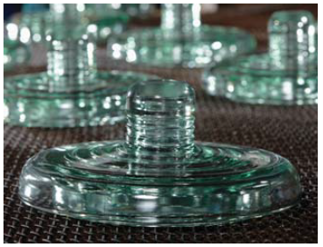
- Transmission Materials: Steel Pole, Lattice Towers, and Substation Support Structures, Insulator, Conductor, OPGW , Guy Wires Shield Wires and Hardware Assembly
- Weld Inspections – NDT Technique
- Fabrication Shop Audits and on-site Inspections
- Material Sampling (Metallurgical and Mechanical Testing)
- Failure/Root Cause Analysis
- Field Inspection for aging transmission structures
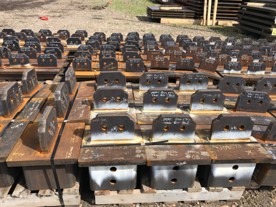


Material and Project Management
- Develop detailed project schedule to meet the construction demands
- Develop detailed project schedule to meet the construction demands
- Assist in negotiating the best pricing and delivery schedule from vendors
- Risk Mitigation planning
- Keep Track of all milestones and critical delivery items
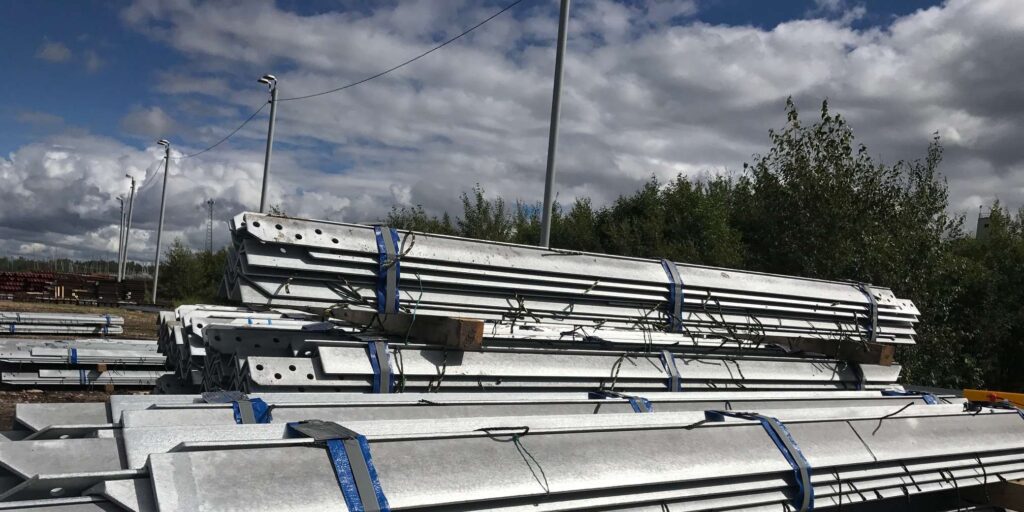
Material & Yard Management
- Warehouse & Laydown Yard Sourcing & Management
- Real-Time Inventory Management & Reporting
- QA/QC & BOM Reconciliation
- Storing, Staging, Kitting & Delivery of Material to Construction Site
- As-Built Documentation
INVENTORY REPORTING AND MATERIAL DOCUMENTATION
- Provides Documentation of Material Delivery or Pick-Up
- Dashboards Provide Real-Time Visibility of Material on Multiple Yards or in Delivery Phase
- Identify Gaps in Material Availability or Quality Before Project Impact
- Manage Care & Custody and Warranty Process
- Reconcile Material Used with As-Builts & Manage Scrap & Un-used Material
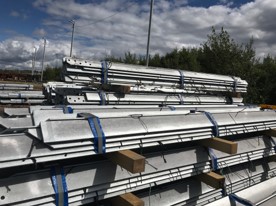
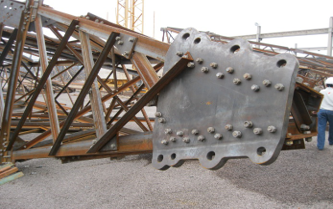


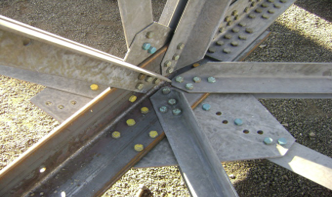
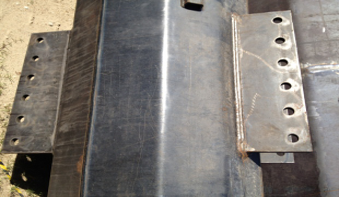
- Follow up logistics planning from vendors
- Perform inspection of material upon arrival at port and Yards
- Help in tracking bundling/packaging list and BOL for tower components for each structure and payment process
- Provide support during construction process for missing pieces or mis-fab pieces or new helicopter splice, damage members and any technical issues
- Keep Track of all milestones and critical delivery items
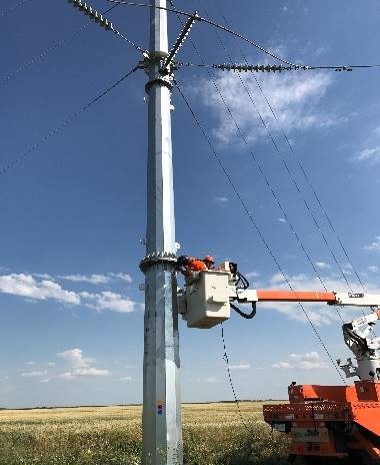
Hardening the Grid: Reinforcing the T&D infrastructure to prevent or reduce the damage from extreme weather events
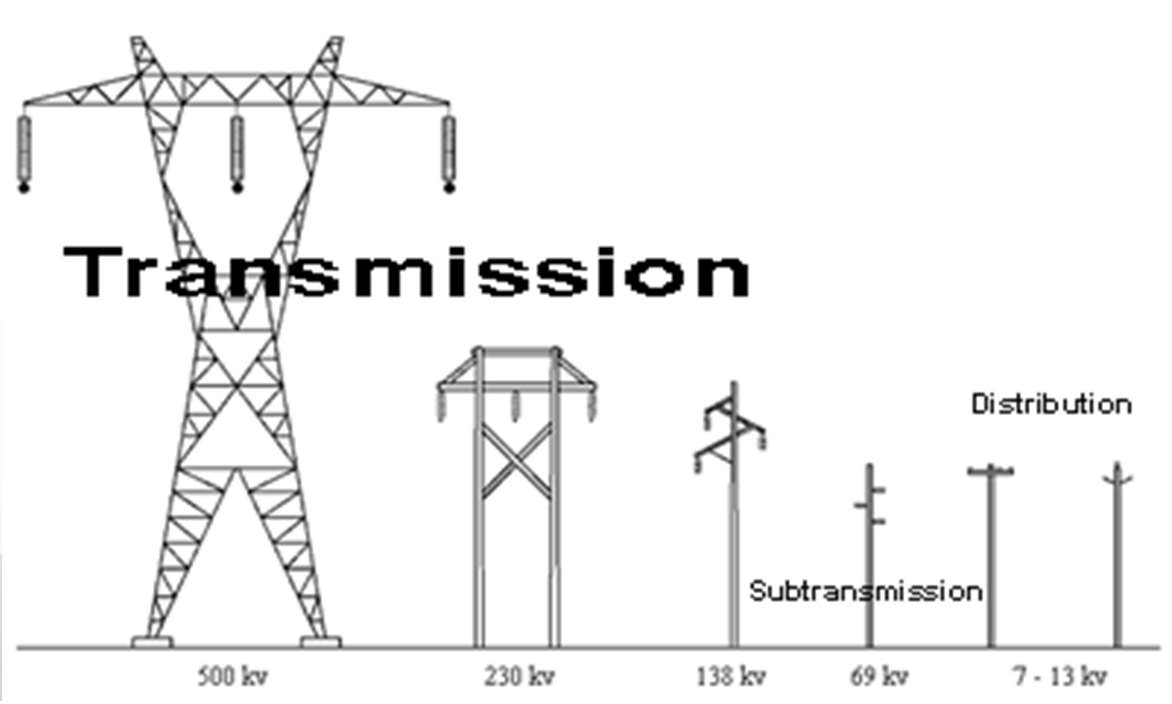
Right selection of poles, towers, and wires:
- Dual OHGW to reduce the potage caused by lightning. OPGW to provide the communication path across the grid, enhancing the cyber security and improving reliability.
- New Insulator design and materials provide greater reliability.
- Higher Capacity, steel reinforced conductor allows for more efficient power flow and reduce electrical losses.
- Greater clearances between electrical lines reduces outages caused by animal and provides safer working conditions for line crews.
- Sturdier steel poles/concrete poles improve resiliency during storms, provide longer lifeexpectancy and lower maintenance costs.
- Improved grounding provides better lightning performance and safer operation of T&D system.
Flooding can create tremendous issues for transmission substations
- Identify the substations which are vulnerable to flooding.
- Plan for temporary and permanent hardening measures.
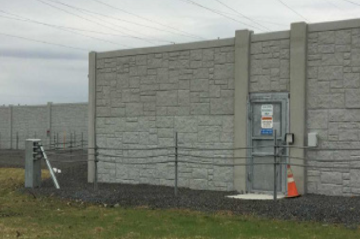
- For permanent solutions, install sheet piles flood walls that are constructed of composite materials to resist decay and rust.
- Raise substation equipment above flood level.
- Install flood monitor sensor to alert rising water level.
- Substation control houses can be designed for withstand a direct hit from EF3 tornado with back-up control houses available on short
Fire Prevention and Detection:Severe drought conditions coupled with high winds and other factors, have resulted in an increased number and severity of wildfires that can devastate natural habitats and communities.
- Implement wildfire mitigation plan to monitor weather and equipment.
- Enhance inspections process of all overhead power lines in high fire risk areas and apply preventive maintenance to reduce risks of ignition.
- Use fire-resistant poles, composite cross-arms, and covered conductors in high fire risk areas.
- Install current limiting fuses that interrupt current more quickly to boost reliability by segmenting circuits to isolate problems.
- Install HD camera that enable fire agencies to observe potential fire activity.
- Install weather stations with multiple sensors to provide real time weather data.
- Evaluate the ability to install new access roads and increase line ROW.
- As a last resort, cut power to high fire areas when winds reach above a certain predetermined threshold